Sasangasana

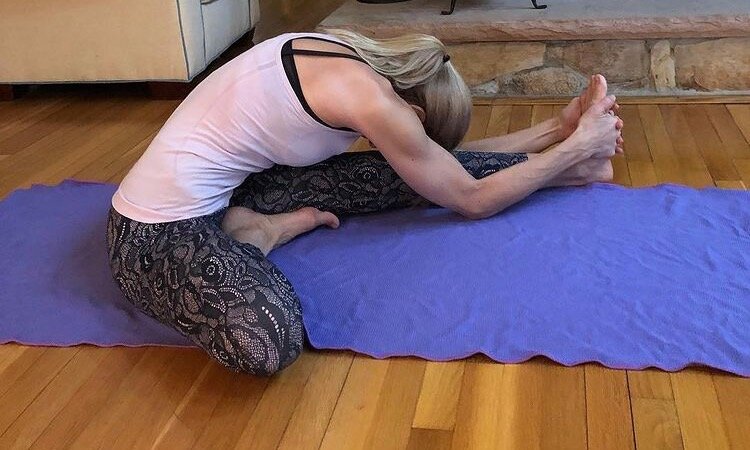
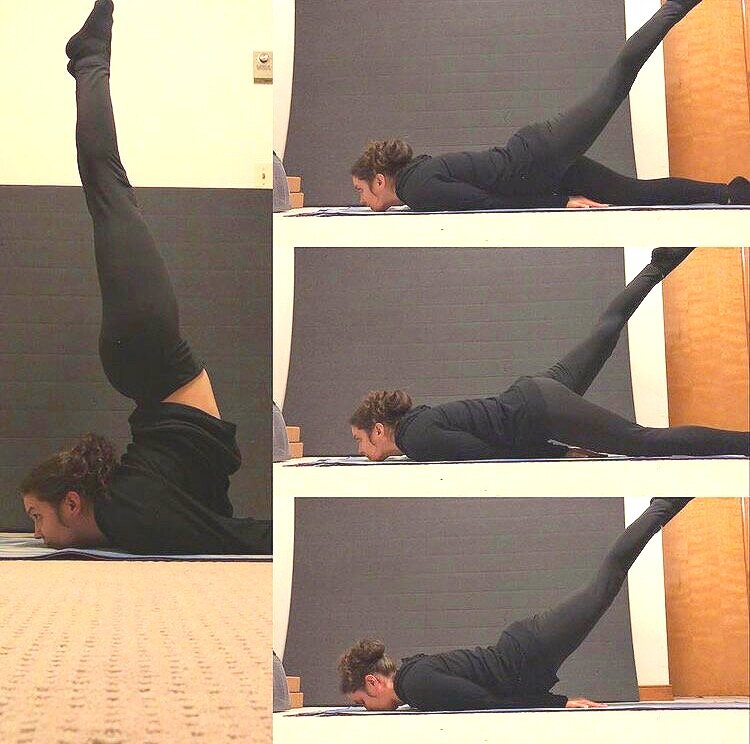
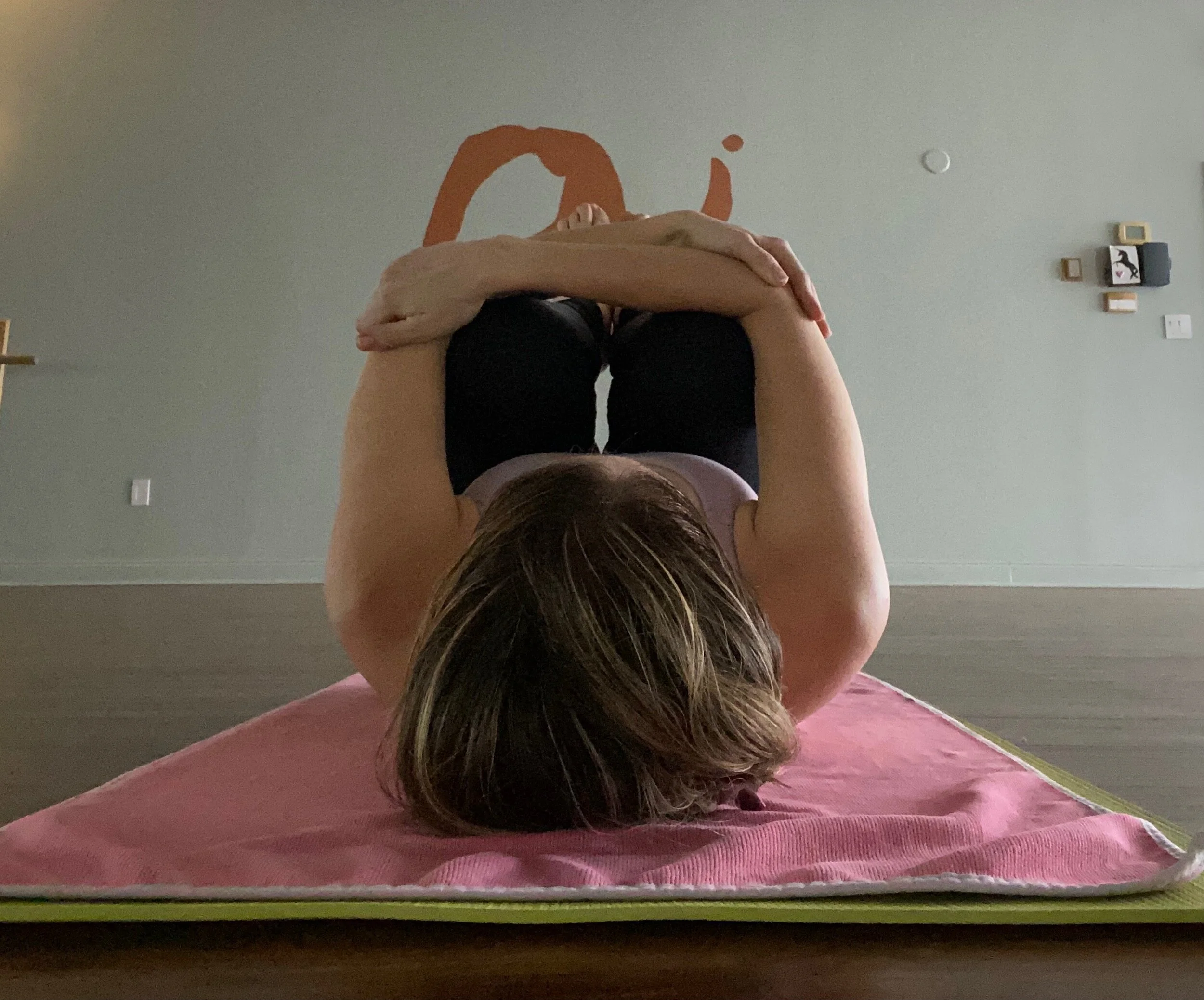
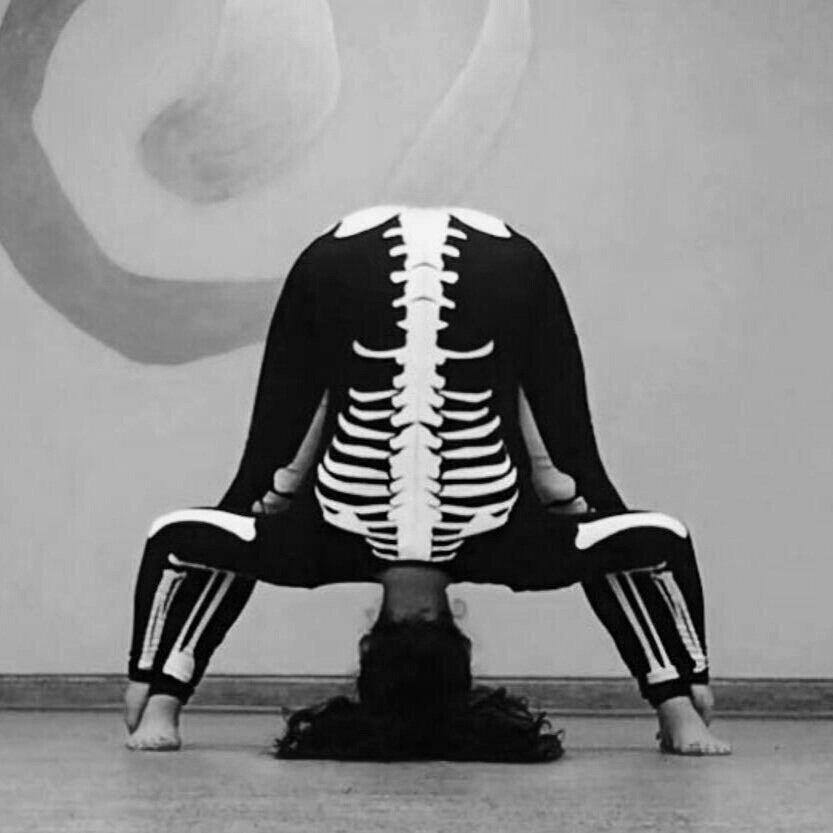
Rabbit is one of the deepest forward bends that we do in the series and is done towards the end of the class. The Rabbit produces the opposite effect of the Camel, giving maximum longitudinal extension of the spine. As a result, it stretches the spine to permit the nervous system to receive proper nutrition. It also maintains the mobility and elasticity of the spine and back muscles. The Rabbit improves digestion and helps cure colds, sinus problems, and chronic tonsillitis. It has a wonderful effect on the thyroid and parathyroid glands. The pose improves flexibility of th scapula and the trapezius muscles. It’s very good for children as it helps them reach their full growth potential.

Because you can’t see yourself in the posture, it’s a good idea to get a mental image of what the posture looks like, and then try and copy the image. Remember that only about 30% or less body weight is in the head. Most of your weight is in your grip as you pull your heels, and at the same time, push against your feet.

If you feel like your body shape is not capable of doing the pose, don’t worry! Soon enough as your body starts to shift and change, the posture will come more naturally to you.

Ustrasana

“This is the posture you don’t want to skip!” -Mary Jarvis

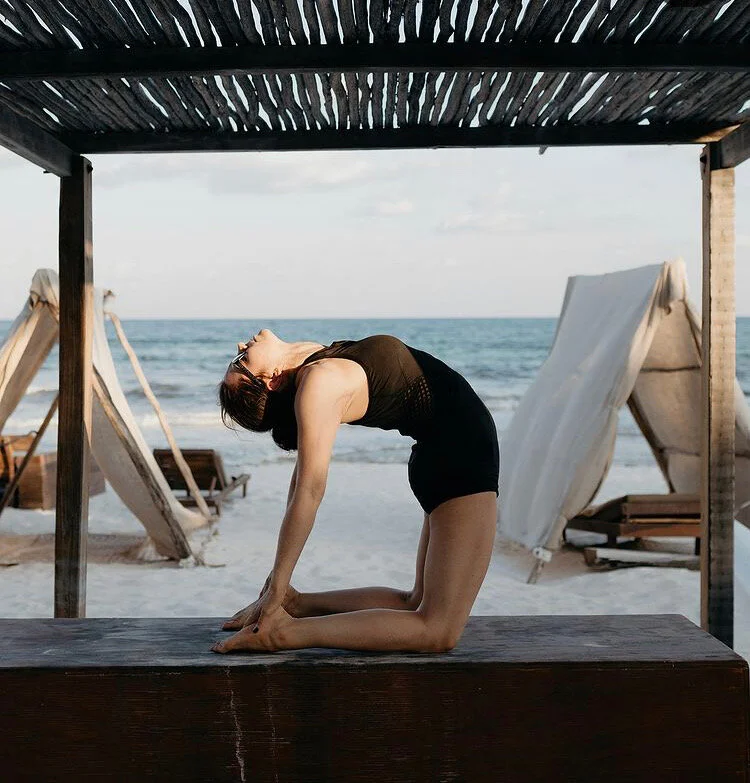
Camel Pose is one of the deepest backward bends in the series. It is also the great healer on the spine. In this time period, humans are spending way too much time forward bending. This causes many medical problems over time, including back pain. It’s extremely important that you are doing some backward bending each day to keep your spine healthy and happy.

“Nerves can, need, and are willing to stretch.” -Mary Jarvis

When you begin to stretch nerves and connective tissue, this can result in unusual sensations in the body. It’s normal to experience feeling lightheaded, or tingling sensations in the fingers and toes. It’s also normal for your hearing and eyesight to be mildly affected. Please know that this is only temporary, and will pass very quickly. Your nervous system will thank you!

The Camel stretches the abdominal organs to the maximum and cures constipation. It also stretches the throat, thyroid gland, and parathyroids. It opens the rib cage to give more space for the lungs. And because it produces maximum compression of the spine, it improves the flexibility of the neck and spine and relieves backache. It also firms and slims the abdomen and the waistline.

National Championships in NYC!

It was an amazing and inspiring weekend in New York City as we watched over 100 champions compete for a place in the International Yoga Asana Championships. Our very own Marc Hocking and Kelly Duncan competed for Virginia; they are both first place Virginia champions. On Saturday for the semifinals, Marc placed 14th out of 47 male competitors. Kelly placed 7th out of 62 female competitors, landing her the opportunity to move on to Sunday’s finals. She did beautifully on Sunday as well and we are so proud of her. Thank you to everyone who tuned in this weekend. It is your support that inspires them and keeps them striving to do better each year. For more information on the Yoga Asana Championships, please visit www.usayoga.org.

Ardha-Kurmasana

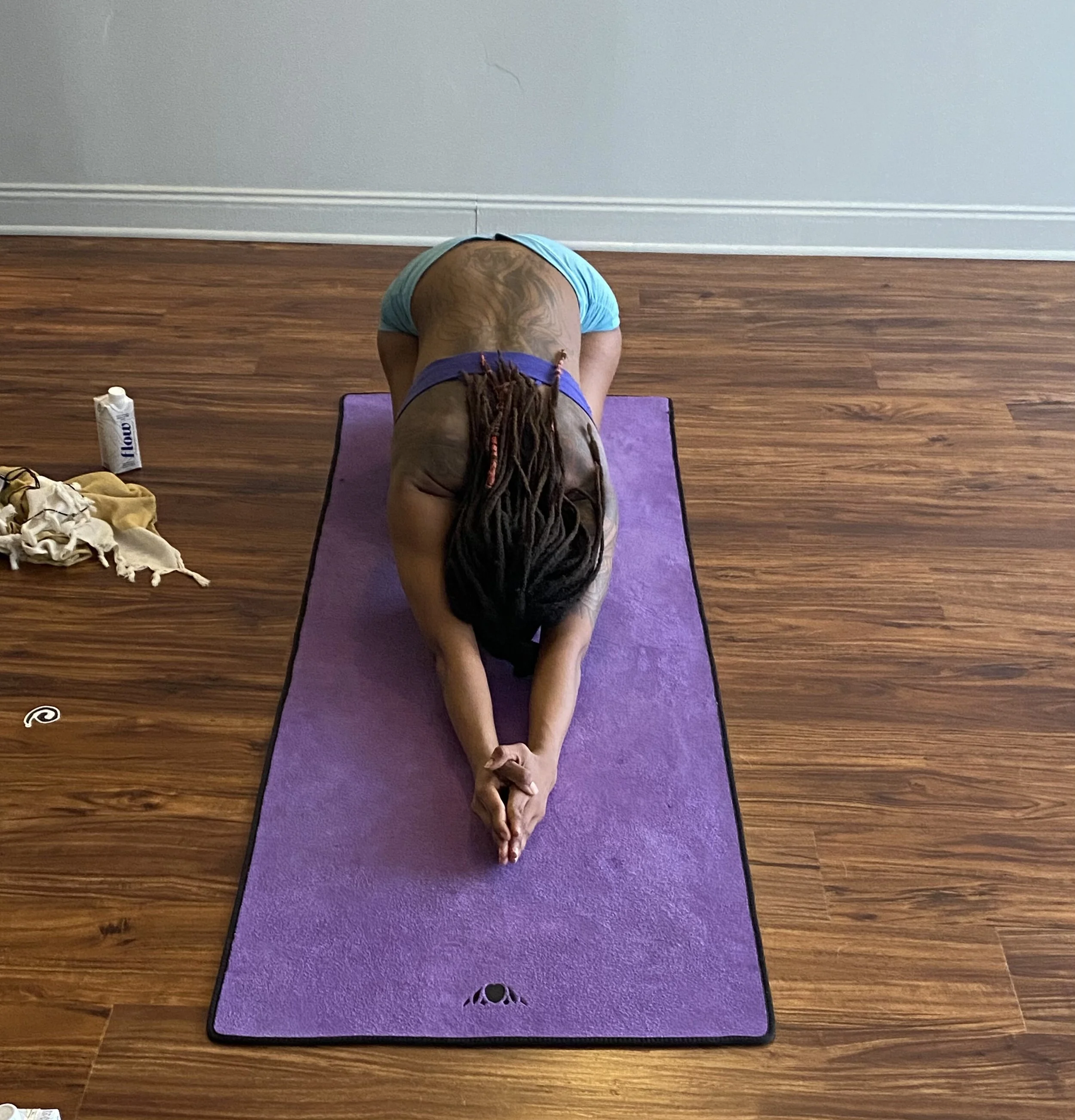
“Thirty seconds of half tortoise is as good as eight hours of sleep.” Everyone always chuckles at this line in the dialogue. What the dialogue does not say is that half tortoise is very much like an inversion pose, which is why you feel very refreshed after doing this posture in class. This pose is a safe way to achieve similar medical benefits for your brain as with the postures where you go upside down, like a handstand. Your head elevation is below the heart, therefore high speed blood easily rushes to your brain, re-organizing, re-energizing, and re-vitalizing your brain cells.

Physically you are strengthening your shoulders and the muscles of the abdomen. You are also creating pressure build up in these areas as well as in the knees, ankles, and digestive system, improving circulation to those body parts.

To do half tortoise try your very best to keep your arms with your ears and your hips with your heels.. Once you’re all the way down, struggle equally to get your forehead to the floor and your hips to your heels. Also keep your arms very straight with your palms together and continuously stretch your arms throughout the pose.

This posture helps you to relax and makes you feel good. It will help you to improve your half moon pose and other shoulder opening postures as well. Enjoy!

E3 Live!!!

Check out this awesome explanation of what E3 Live can do for you. This raw living algae is excellent for Bikram Yoga practitioners, athletes, and people that are sick. It’s great for all ages and is an easy way to get some of the most nutrient dense food known to man. Watch this video. BYR is the only distributer of E3 Live in Richmond!

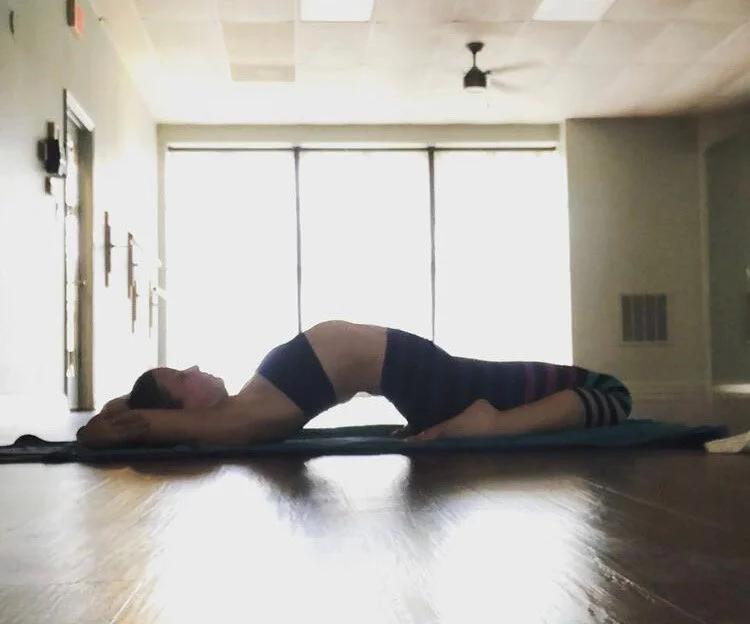
Supta-Vajrasana

When most people first attempt the fixed firm posture, they are unable to sit on their heels. It can take weeks or longer just to get the hips on the floor, and it might feel like you just conquerred Mount Everest when you do. Sound familiar?

If you want to improve this pose faster, Bikram recommends practicing it at home. You can sit Japanese style while watching TV. This will help you to stretch the muscles and tendons in your knees and feet. Please keep your feet straight and your toes pointed straight back. The tops of your feet should be on the floor. Your feet should be opened only wide enough so that your hips can touch the floor.

Once you are able to start going back, you can open your knees as much as you need to. Go back very slowly in the beginning to avoid pulling anything. This is a backbending posture, so it can be quite intimidating to drop your head back to the floor for the first time. If you have fear in the posture, the solution is to relax and breathe slowly. Go in to the posture slowly and come out of the posture slowly. It’s not about speed or what the posture looks like, it’s about healing the body. Remember the childhood fable; the tortoise wins the race.